ΜΙΛΗΤΟΣ · ΙΩΝΙΑ · 594 π.Χ.
Woven flat.
Draped divine.
Porphyra has dressed the Twelve since the archonship of Solon. We do not cut cloth and we do not sew it. We weave a rectangle, we dye it, and what you do with it on your shoulders is the garment.
Scroll. The building in front of you is a lie you have been told since the Renaissance.
Βʹ — ΧΡΩΜΑ · THE RESTORATION
It was never white.
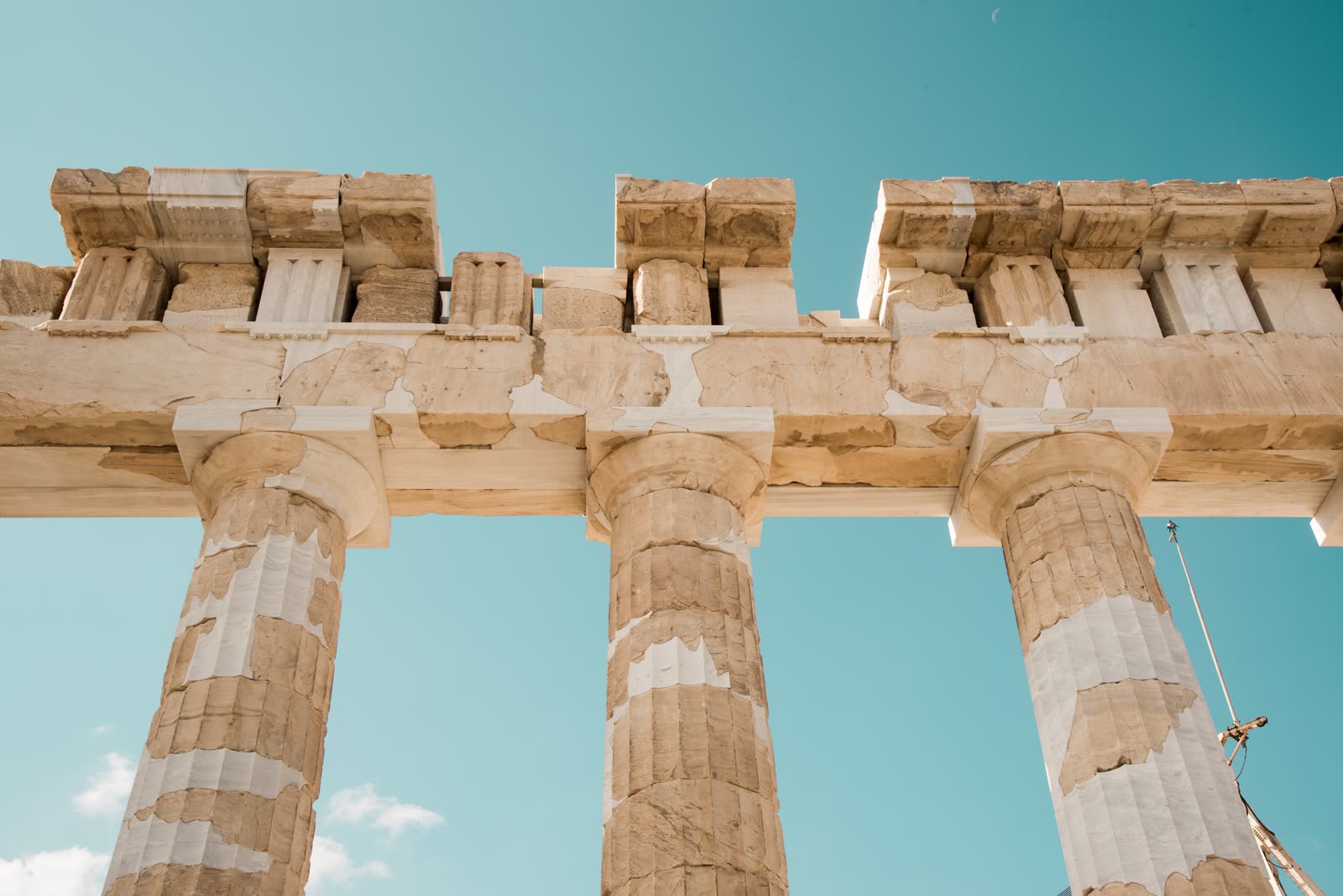
The marble Greece in your head is a Renaissance misreading that hardened into taste. Temples were painted — triglyphs in Egyptian blue, the metopes and the tympanum in cinnabar, ochre and gold above them. We know the pigments because they were recovered off the stone.
That is our trade, and our argument. A house that sells colour has no business pretending antiquity was colourless.
Γʹ — ΣΤΟΑ · THE COLONNADE
Four garments. No sizes.
Every listing gives the cloth, not a size — because the garment does not exist until it is on you. Dimensions are in pēcheis, cubits, about 46 cm each.
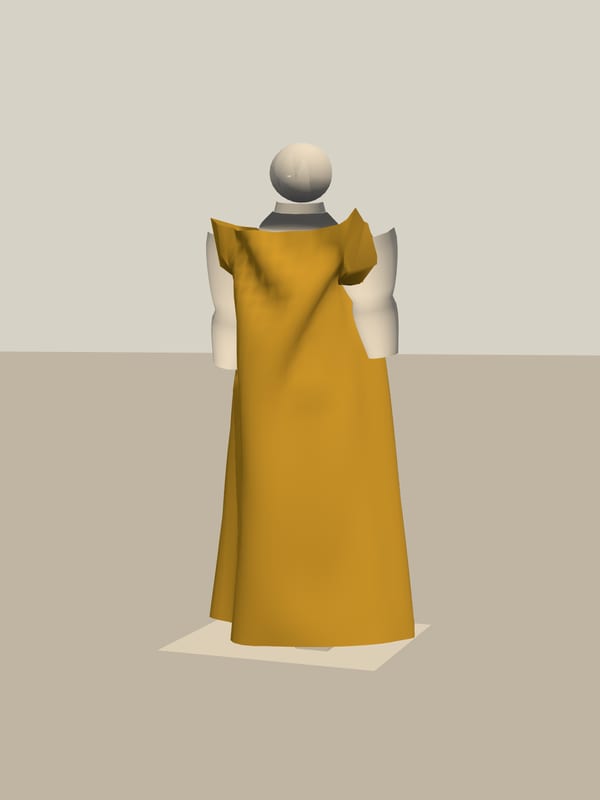
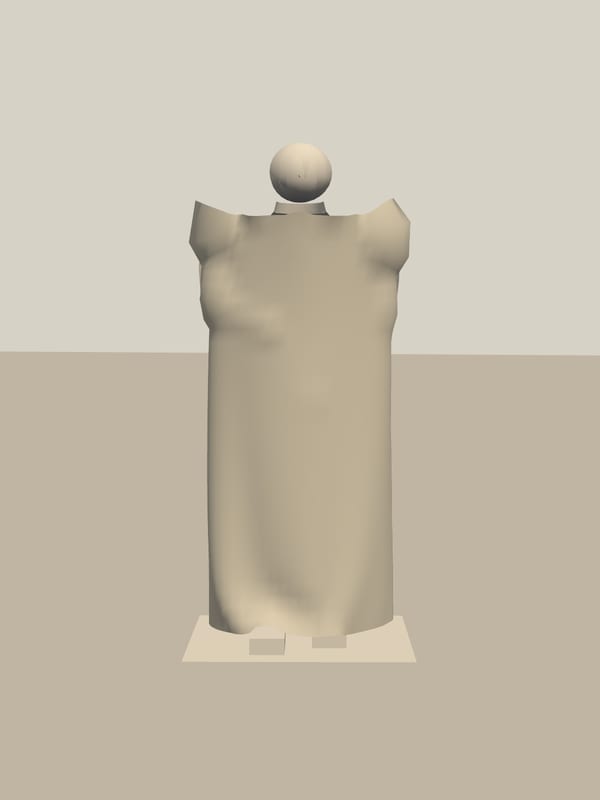
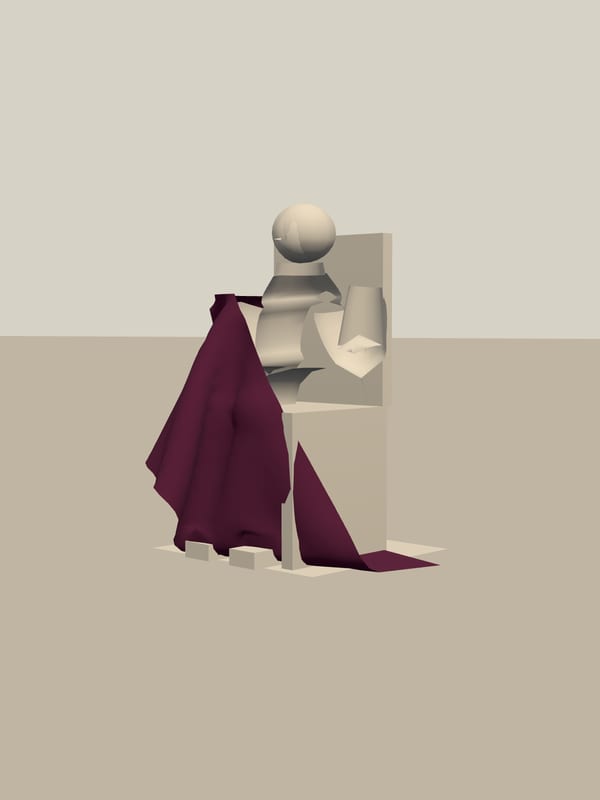
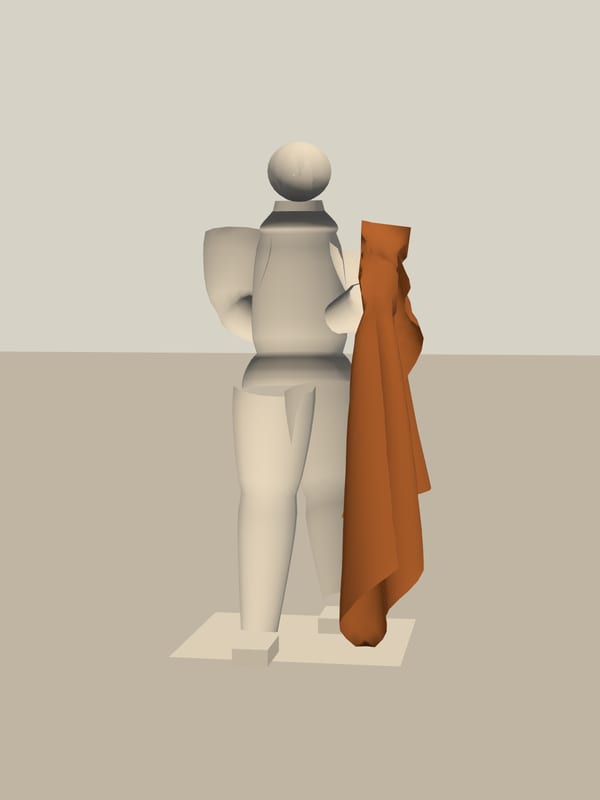
ΒΑΠΤΩ · Athena wears it — drag to walk around her
Prices in Attic drachmai, set in Greek alphabetic numerals — νʹ is fifty. The keraia (ʹ) is what makes a letter a number.
Δʹ — ΠΕΠΛΟΣ · THE DRAPE
A rectangle,
until you put it on.
There is no pattern piece, no armhole, no seam. The peplos is one woven rectangle: fold the top third outward, wrap, pin at both shoulders with fibulae, belt at the waist. Every fold you see on a statue is a decision somebody made that morning.
Which is why we sell cloth by the cubit and not by the size. The garment is an act, and you perform it.
Εʹ — ΒΑΦΗ · THE DYE HOUSE
The dye is the price.
Cloth is cloth. What you are buying is chemistry, and the ladder below is not a marketing invention — it is what these dyes actually cost to make.
Αʹ · ΩΧΡΑ
from νʹ drachmai
Ochre and madder root. Common, colourfast, honest. Nymphs, heroes, favoured mortals.
Βʹ · ΚΡΟΚΟΣ
from ρʹ drachmai
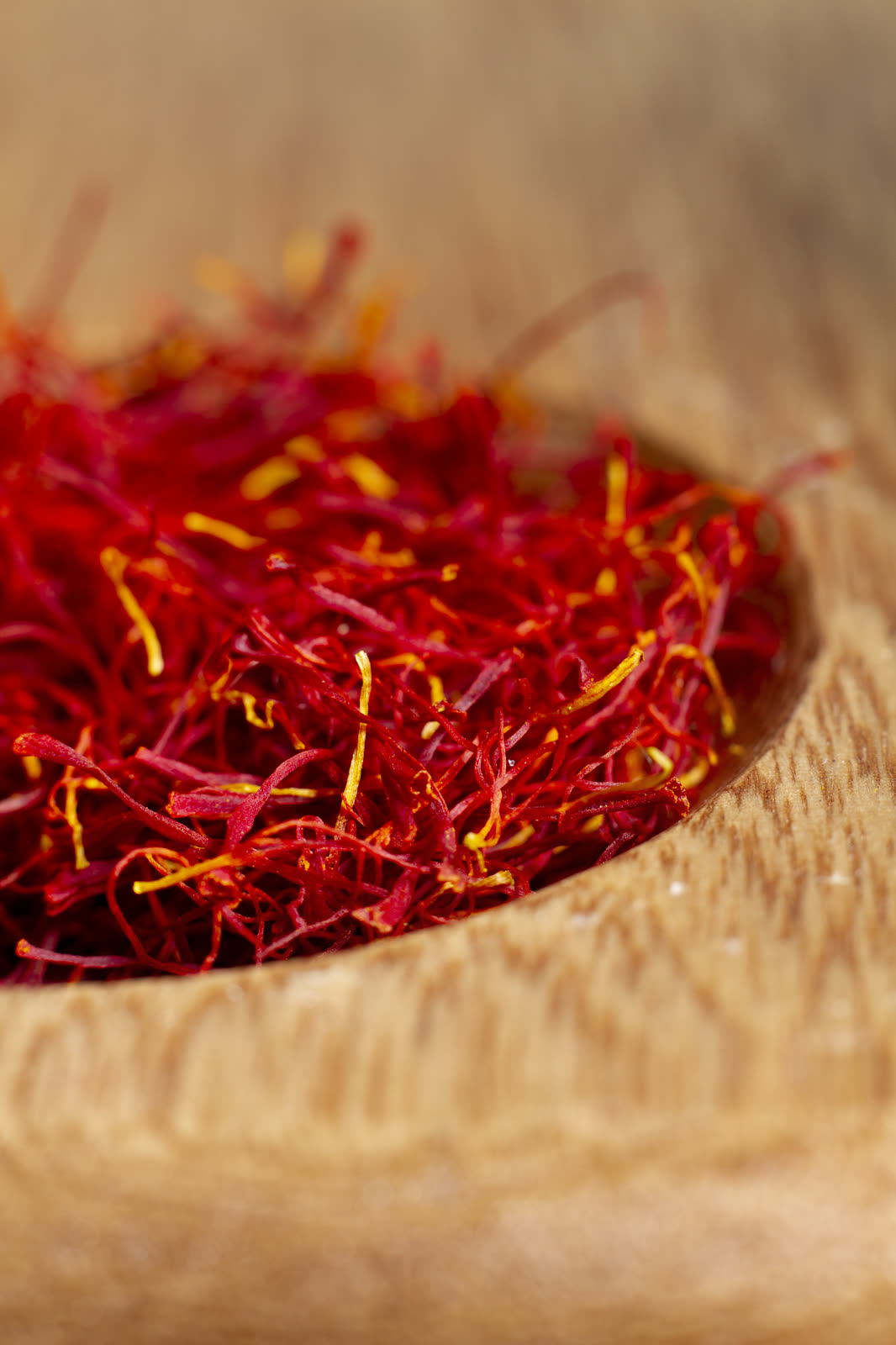
Saffron — the krokotos. Thousands of hand-picked stigmas to the pound.
Γʹ · ΚΥΑΝΟΣ
from σʹ drachmai
Woad, fermented. The vat is green; the colour only arrives when the cloth meets the air.
Δʹ · ΠΟΡΦΥΡΑ
͵β drachmai
Murex. Ten to twelve thousand shells to the gram. The Twelve only — enquire at the altar.
Our dye works stand downwind of the town, as the law and the neighbours require. Bring a strong stomach if you visit.
Ϛʹ — ΑΔΥΤΟΝ · THE INNER ROOM
Purple is not a colour.
It is permission.
One chlamys hangs here, under one lamp. Tyrian purple, ͵β drachmai, and not for sale to you unless you are one of the Twelve. Ten thousand murex died for the gram that dyed it, and the sea near Tyre is still full of the shells.
We are aware this is the least commercial page in the shop. That is the point of a sanctum.
Ζʹ — ΒΩΜΟΣ · THE ALTAR
An order is an offering.
ΠΑΡΑΔΕΙΓΜΑ · A worked example
| Ledger | Cloth | Drachmai | Remove |
|---|---|---|---|
| Πέπλος · ΩΧΡΑ | δʹ × γʹ | νʹ | |
| Χλαμύς · ΚΡΟΚΟΣ | γʹ × βʹ | ρʹ | |
| Περόναι — a pair, gold | — | λʹ | |
| ΟΛΟΝ · total | ρπʹ |
Nothing lies on the altar yet. Take a garment in the colonnade and it will be reckoned here.
Write, and say what it is for — a festival, a journey, a dedication. We will tell you the cloth, the dye and the weeks. Deliveries to Olympus take longer than you would like.
studio@webstoree.com · +91 89815 64862 · Sthapathy of the loom, Miletus
Ηʹ — ΣΤΟΑ · WHAT IS TRUE HERE
Documented
Greek temples and statues were painted; the white ideal is a later misreading. Egyptian blue is the first known synthetic pigment. Tyrian purple comes from murex at roughly ten to twelve thousand shells per gram, and the dye works stank enough to be sited downwind. Chiton, peplos, himation and chlamys are draped and pinned from loom rectangles, never tailored. The Panathenaic peplos was newly woven and presented to Athena. Miletus was famous for its wool. Stoichedon and boustrophedon are real inscription systems, and inscriptional capitals carried no accents. Greek numerals are alphabetic, with the keraia. The pēchys is about 46 cm. The four figures in the fitting room are dressed as Greek art dresses them: Athena in the peplos, Apollo in the kithara-player's long chiton, Zeus in the himation, Hermes in the chlamys. That iconography is on the vases and can be checked — though some of its most famous statements postdate our founding, which the gods have not complained about.
Invented
Porphyra itself, its founding date, and gods holding accounts. Every drachma price. The tier names as product lines, and the rule that ties a dye to a rank of customer — history gives the prestige ladder, the storefront rules are ours. The strongest evidence for purple's price and for laws restricting it is Roman rather than Greek, and we have borrowed it knowingly. That any of the four ever stood for a fitting. The bodies they are fitted to are built from Vitruvius — head an eighth of stature, cubit a quarter, foot a sixth — which is Roman too, and five centuries late; Polykleitos wrote the Greek canon and his numbers did not survive, so we used the ones that did. And the himation is worn with no pins, which a solver cannot do: it is held at the points a forearm would hold it, and those are pins in everything but name.
The line between those two lists is the only thing on this page we would defend in front of an archaeologist.
One more thing is true: the altar's ledger lives in your browser and nowhere else, no payment crosses this page, and the offering leaves as a letter — which a person reads.